

- Formal rules of procedure or etiquette
- 5 rules of golf etiquette
- Which of these rules of etiquette apply to conduct within the boat
Practicing another culture’s rules of etiquette has which of the following effects?
When it feels like you’re being left out, it can lead to both negative emotions and a sense of lost control https://hope2trial.com/development-of-casino-games/. While these effects can affect anyone, some research suggest that they tend to impact women with greater frequency.
On the internet, everything leaves a trace. Even if you delete a social media post, for example, traces of that post will still exist, and everything you do online can shape and influence your digital reputation. This, again, impacts how people see and interact with you, and having a negative or unappealing reputation can make it harder to forge connections and get ahead.
Some brands or businesspeople use spam to raise awareness of their services or build contact lists. However, this isn’t good practice. It’s also not considered very netiquette-friendly to forward spammy or nonsensical chain emails to your contacts.
Formal rules of procedure or etiquette
United States Army officer Henry Martyn Robert developed the rules in 1876. Based on parliamentary procedure at the time, they have been revised, adapted, and simplified many times over more than a century and continue to guide assemblies, committees, and board meetings everywhere.
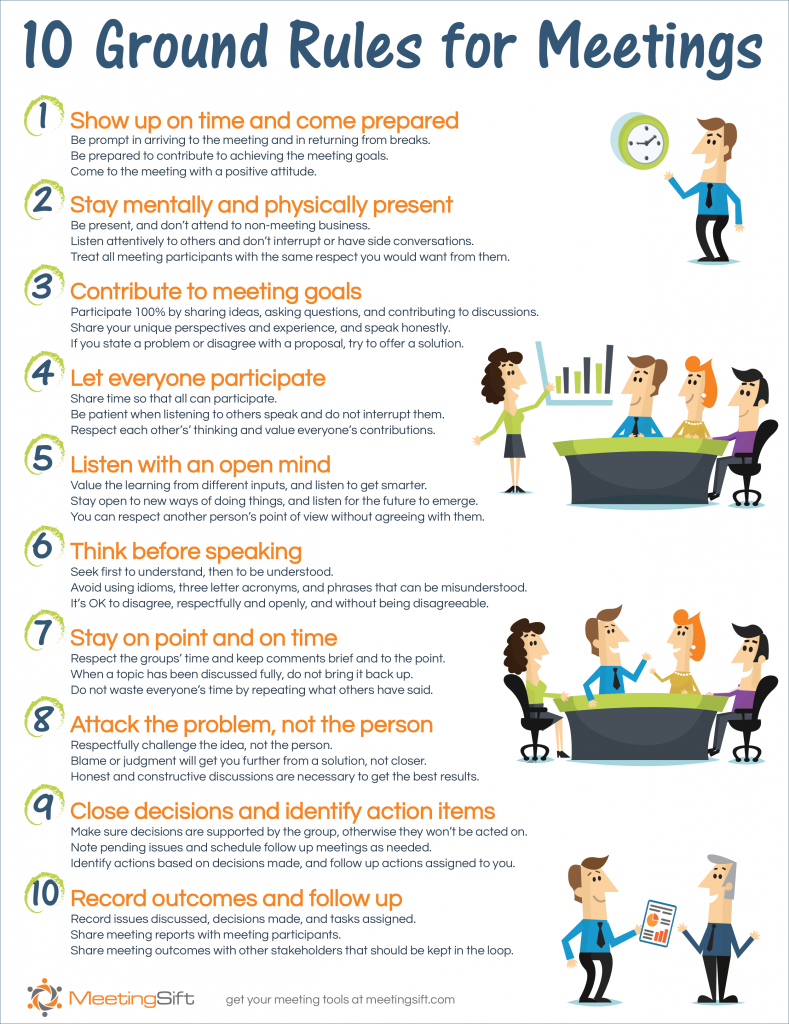
United States Army officer Henry Martyn Robert developed the rules in 1876. Based on parliamentary procedure at the time, they have been revised, adapted, and simplified many times over more than a century and continue to guide assemblies, committees, and board meetings everywhere.
From calling the meeting to order, reading the minutes of the previous meeting and various reports to the adjournment of the meeting, the objective is to strictly follow the board meeting agenda and focus on the issues at hand.
Etiquette refers to the customary code of polite behavior in society. It encompasses a wide range of social norms, conventions, and expectations that guide our actions and interactions. Etiquette is deeply rooted in cultural traditions and varies across different regions and communities. It focuses on promoting harmony, respect, and consideration for others in everyday situations.
Unlike etiquette, which is adaptable and influenced by cultural norms, protocol is standardized and follows a strict hierarchy. It outlines the roles, responsibilities, and expectations of individuals participating in formal events. Protocol governs various aspects, such as seating arrangements, introductions, precedence, flag etiquette, dress codes, and the order of speeches or toasts.
Protocol, on the other hand, refers to a set of formal rules and procedures that govern official or ceremonial events. It is more rigid and structured than etiquette, focusing on the correct sequence of actions and the proper behavior expected in specific situations. Protocol is often associated with diplomatic, governmental, and royal events, where adherence to established rules is crucial to maintain order and convey symbolic meanings.
5 rules of golf etiquette
On the putting green, you want to make sure to watch your shadow and never stand directly behind anyone. You also don’t want to stand behind the hole as it’s also distracting as well. Make sure to stand behind fellow players if possible or far enough away to not be in the line of sight.
Whenever I’m playing with strangers I always say ready golf on the 1st hole to make sure the group plays ready golf vs. honor’s golf. The only time I’d recommend playing honors golf is when someone makes a birdie, eagle or you are in a competitive event.
This rule is simple. Always know where other golfers are on the course. If your ball is heading toward another group, make sure to yell “FORE” loudly. And I like to add “FORE left” or “FORE right” if you’re in a congested area.
Unless you’re at Augusta National Golf Club or the like, having cell phones on the course is generally permitted. But please silence your ringer. And limit your phone calls on the course. But cell phones are often used with golf apps that help you navigate the course or keep score, so they are part of the game now.
Which of these rules of etiquette apply to conduct within the boat
Navigating waterways requires knowing specific rules for safe passage. Similar to roadways, there are specific rules and directions you need to follow while out on the water. These rules cover right-of-way, collision avoidance, and interactions with smaller, human-powered vessels.
Boaters should observe marine creatures from a distance to avoid disrupting their natural behaviors. They must also navigate carefully through waterways where marine life is present, ensuring their propellers do not harm plants or animals.
The COLREGs are a set of international rules established by the International Maritime Organization (IMO) to prevent collisions at sea. These rules apply to all vessels navigating in international waters.
Operating a boat under the influence of alcohol or drugs is illegal and significantly increases the risk of accidents and injuries. Designate a sober skipper or avoid alcohol consumption altogether while boating.
Red and green buoys are the road signs of water navigation. Red buoys should be kept on the right side (starboard) when traveling upstream, though this can vary depending on the country. Conversely, green buoys should be kept on the left side (port). Remember, red and green markers indicate the edges of safe water channels.
